Russia begins mass deployment of new fiber-optic 'Molniya' drones: the risks explained
Russian forces have started actively deploying 'Molniya' unmanned aerial vehicles controlled via fiber-optic cables on various frontline directions. These drones are immune to electronic warfare and can penetrate deep into the rear.
 🛡️Security
Photo: UNIAN
Key points
- Russia has started mass deploying fiber-optic controlled 'Molniya' drones.
- The drones can reach up to 30 km into the Ukrainian rear at low altitudes.
- Fiber-optic control makes these UAVs completely immune to electronic warfare.
- The physical cable provides high-definition video feeds for both reconnaissance and strikes.
Over the past few days, Russian forces have ramped up the use of 'Molniya' unmanned aerial vehicles equipped with fiber-optic control systems across multiple frontline areas. This was reported by Serhii Beskrestnov (known as Serhii Flash), an advisor to the Ukrainian president on defense technology development. According to him, while initial attempts to use fiber-optic drones were noted a year ago, the enemy is now scaling up their application.
Technical features and threats of fiber-optic UAVs
The primary danger posed by these drones is their complete immunity to electronic warfare (EW) systems. Because the control signal is transmitted via a physical cable rather than radio waves, standard EW equipment cannot jam or hijack the connection. These UAVs typically fly at low altitudes—around 50 meters—and can reach targets up to 30 kilometers inside the Ukrainian rear.
«The danger of such UAVs lies in the absence of a radio signal for detection, low flight altitude, and the inability of electronic warfare to affect the drone», — Serhii Beskrestnov noted.
Furthermore, the fiber-optic link provides exceptionally high-resolution video feed, allowing the operator to conduct reconnaissance missions during the flight in addition to striking targets. Despite the technical challenges, Ukrainian crews are already successfully detecting and downing these new enemy drones.
Source UNIAN — unian.ua/weapons/droni-rf-molniya-stali-nebezpechnishimi-flesh-rozk… ↗
Read next
 💼Economy
Czech Prime Minister Opposes Funding Ukraine via EU Budget
Czech Prime Minister Andrej Babiš has criticized the proposed EU long-term budget, objecting to financial provisions designated for Ukraine.
 💼Economy
Global Trend of 'Fake Weddings': A New Format in the Event Industry
A new trend is gaining traction globally, featuring full-scale wedding ceremonies and celebrations without any official marriage registration.
Fresh Attacks on Kyiv Region: Shopping Mall Struck in Vyshneve Amid Rescue Operations in Dymer
On the evening of November 22, an enemy drone hit a shopping center in Vyshneve, resulting in one death and several injuries. Meanwhile, search and rescue operations cont…
 🏙️City
Foreign Blogger Praises Ukrainian Supermarket for Unique IT-Themed Design
German-speaking blogger Ukrainiko, living in Ukraine, shared a review of an unusual supermarket in Lviv featuring a computer technology and IT-inspired interior.
 🚨Events
Ukrainian national found dead in Romanian mountains after crossing border
Rescue teams in the Maramureș mountains of Romania found one dead Ukrainian and rescued two others who were stranded.
 🎭Culture & Sport
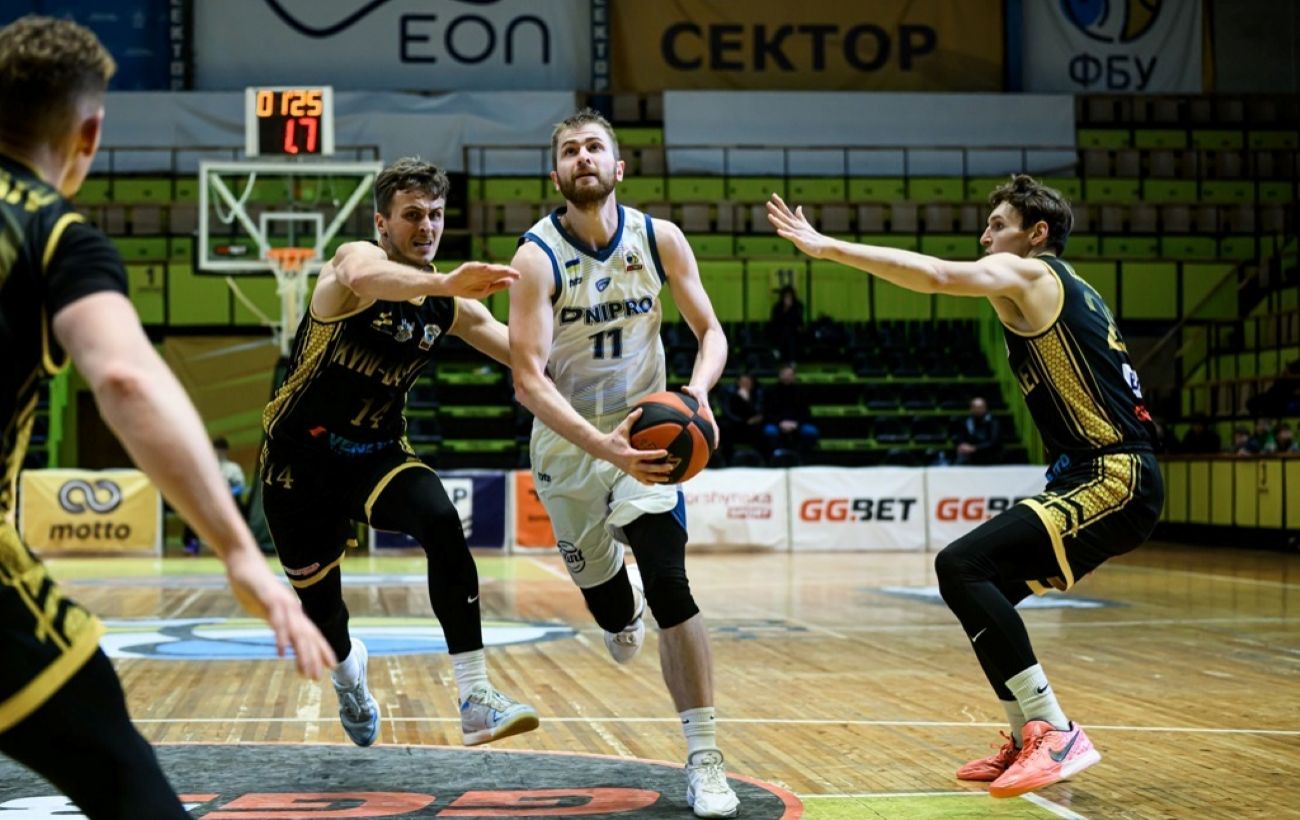
Dramatic Overtimes and Leader Success: How the Basketball Superleague Matches Ended
The latest round of the Ukrainian Basketball Superleague featured intense matches, brilliant comebacks, and crucial confrontations between favorites.