Strengthening Cooperation Between Russia, China, Iran, and North Korea: The Economist Analysis
The Economist highlights the formation of a tightening alliance among four authoritarian regimes, creating new challenges for global security.
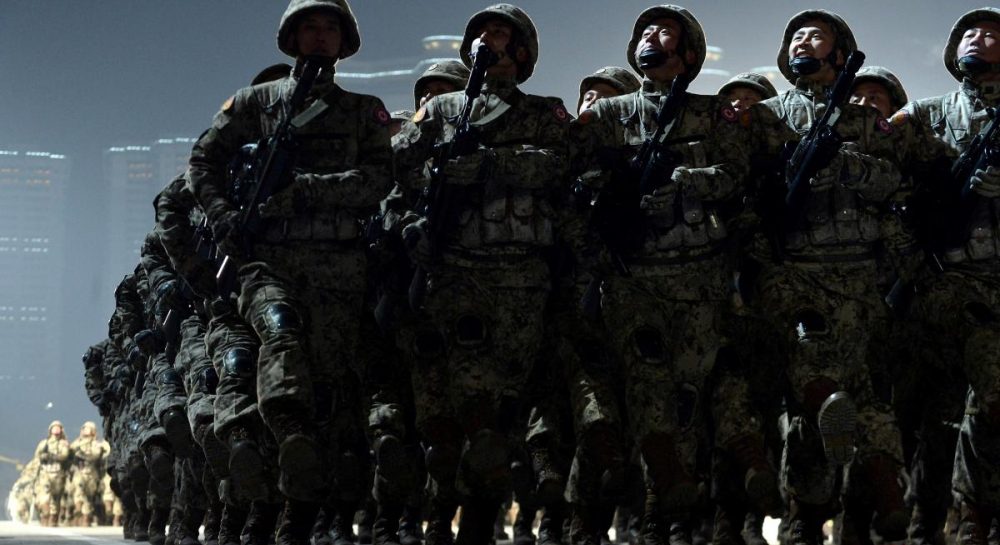 🇺🇦Ukraine
Photo: UNIAN
Key points
- Rising instances of military cooperation between Russia, China, Iran, and North Korea.
- Formation of an informal but effective alliance to bypass sanctions.
- Lack of unified command does not diminish the threat to global security.
A New Geopolitical Reality
Analysts at The Economist state that Russia, China, Iran, and North Korea are moving toward active coordination of their actions. This cooperation involves sharing military technologies, intelligence, and expertise, as well as joint efforts to minimize the impact of Western sanctions. While this bloc lacks a formal structure like NATO, the volume of interaction between these nations is growing rapidly.
The Scale of Interaction
According to data from the FDD think tank, more than 600 instances of security cooperation between these states were recorded between 2019 and 2025. This process intensified significantly following the start of Russia's full-scale invasion of Ukraine. Experts emphasize that even without a unified military command, the mutual support of these regimes makes them significantly more dangerous, as the West finds it increasingly difficult to counter them individually.
- Absence of a formal military alliance.
- Divergent economic interests, particularly regarding oil prices.
- Joint efforts to bypass international sanctions.
Source UNIAN — unian.ua/world/rosiya-knr-iran-ta-pivnichna-koreya-stvorili-neforma… ↗
Read next
 🩺Health
89-year-old woman rescued from rubble in Dymer: search operations continue
Emergency services pulled an elderly woman from the ruins of a building hit by a drone. The death toll in the Kyiv region settlement has risen to nine.
 🛡️Security
Russian Corvette 'Merkury' Reported Damaged in Libya
According to the Associated Press, a Russian warship in the port of Benghazi may have been targeted by Ukrainian maritime drones.
 🛡️Security
Russia tests NATO defense algorithms through provocations in neighbor airspace
Military analysts interpret Russian air incursions into Alliance territory as a method of probing defenses and testing the readiness of partners.
 🩺Health
Scientists revive 40,000-year-old bacteria from permafrost: climate implications
Researchers from the University of Colorado have demonstrated that microorganisms frozen for millennia can reactivate, posing potential risks for global carbon levels.
Ukraine to Launch Centralized Digital Platform for Utility Service Complaints
The government is developing a new digital tool to report outages in electricity, heating, and water supply to improve response times.
 🎭Culture & Sport
Ukrainian gardener grows a 350-kilogram pumpkin
A resident of the Cherkasy region grew a record-breaking pumpkin but opted against official registration, choosing instead to share the harvest with the community.